Same-Day Service Available!

How to Remove Odor and Discoloration Without Damaging Finish on Carpet

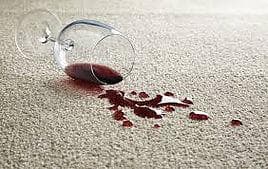
discoloration on carpet 1

When your carpet looks clean, but the room still feels “off”

Carpet cleaning in Mt. Juliet, Tennessee is often requested for the obvious stuff: stains, traffic lanes, and those “how did that get there?” spots. However, the most frustrating problems are usually the ones you can’t fully see. A room can look tidy and still feel unpleasant because odor and discoloration tend to hide deep in carpet fibers, in the backing, and sometimes even in the pad underneath.

If you’ve tried sprays, powders, or a quick scrub, you’ve probably noticed the same pattern: it improves for a day, then the odor drifts back. Or the discoloration fades a little, then returns as a dull shadow. That’s not you failing. That’s the problem being deeper than the surface, plus a few common mistakes that accidentally make things worse.

The biggest issue is residue. Many DIY products leave a sticky film that attracts new soil, which makes discoloration reappear faster. The second issue is over-wetting. When too much moisture gets into the pad, odors can linger and “wick” back up as the carpet dries. The third issue is harsh chemistry. Strong cleaners can lighten carpet dye, damage fiber texture, and even dull nearby finishes when overspray hits baseboards, hardwood edges, furniture legs, or trim.

Here in Mt. Juliet, we help families handle odor and discoloration with a quick-drying mindset and a family-safe approach that avoids heavy soap and leftover residue. We’ve been trusted for 30+ years because we focus on practical results that make homes feel cleaner and more comfortable, not just “smell covered up.”

What “without damaging finish” really means in real homes

This guide is about Carpet cleaning in Mt. Juliet, Tennessee, but it’s also about protecting your home while you clean. When people hear “finish,” they usually think of hardwood floors and the protective coating that keeps them looking good. They also think of painted baseboards, stain-grade trim, furniture legs, and the finishes on area rugs or nearby surfaces.

Odor and discoloration problems often lead to aggressive cleaning. That’s when damage happens:

  • Overspray hits baseboards and leaves streaks.
  • Strong cleaners dull or spot wood finishes.
  • Too much water creeps under carpet edges near hardwood and causes swelling or haze.
  • Scrubbing frays carpet fibers, creating a permanent “rough patch” that looks worse than the stain.

So we’re going to show you a safer, step-by-step process that removes odor and discoloration while protecting carpet fibers and the finishes around them. We’ll also explain what’s safe versus risky, and when it’s smarter to call a pro before DIY turns into a bigger problem.

If your odor and discoloration keep coming back, or you want a deeper reset with less risk, you can schedule online here now and we’ll help you choose the best approach for your home.

Now let’s start with the 10-step process. We’ll begin with the most important setup steps that prevent spread, residue, and finish damage.

Step-by-Step Process: 10 Steps to Remove Odor and Discoloration Without Damaging Finish

discoloration on carpet

Step 1: Identify the odor and discoloration type before you treat it

Carpet cleaning gets much easier when you know what you’re dealing with. “Odor” and “discoloration” are symptoms, not diagnoses. Different sources require different handling, and the wrong approach can set the problem deeper.

Common odor sources in Mt. Juliet homes:

  • Pet accidents (even small ones that dried)
  • Food spills and sugary drinks
  • Dampness from humidity, slow drying, or past over-wetting
  • Smoke or cooking odors trapped in fibers
  • Old cleaning residue that holds onto smell

Common discoloration patterns:

  • Dark patches in traffic lanes (often soil and residue)
  • Yellowing (sometimes from spills, age, or repeated product use)
  • Gray haze (embedded soil and flattened fibers)
  • Ring shadows (wick-back from pad)
  • Light spots (chemical bleaching or dye loss)

What’s safe vs what’s risky:

  • Safe: taking 60 seconds to assess, then using a gentle method first.
  • Risky: grabbing the strongest cleaner and scrubbing hard, because that often damages fibers and nearby finishes.

Quick home test:

  • Smell the area up close, then smell from a few feet away. If odor increases when the carpet is warm (sunlight or heat), it may be deeper.
  • Look at the discoloration from multiple angles. If it looks like a “shadow” from the side, it can be flattened fibers plus embedded soil.

Step 2: Protect nearby finishes and control overspray before you apply anything

Because this guide focuses on removing odor and discoloration without damaging finish, we start with protection. Most finish damage happens from overspray, drips, and excessive moisture near edges.

Do this before cleaning:

  • Move furniture slightly away from the spot if possible.
  • Place a towel barrier along baseboards if the area is near trim.
  • If carpet meets hardwood, place a dry towel along the edge to catch moisture.
  • Use a spray bottle set to a light mist, not a stream.

What’s safe vs what’s risky:

  • Safe: applying solution to a towel first and blotting, especially near wood or painted trim.
  • Risky: spraying cleaners directly along edges where liquid can run and pool.

Expert tip:
When you clean near baseboards, always work from the carpet toward the center, not toward the wall. That reduces the chance of pushing moisture into edges and under trim.

Step 3: Dry soil removal first, because odor and discoloration love grit and residue

This step is the most overlooked in Carpet cleaning, and it matters more than people expect. Dry soil acts like a sponge for odor and a magnet for residue. If you wet-clean without removing dry soil first, you can turn gritty buildup into muddy discoloration.

What to do:

  • Vacuum slowly over the area, including two feet around it.
  • Make several passes in different directions to lift flattened fibers.
  • Use a crevice tool along edges, but keep it gentle to avoid scuffing baseboards.

Why this helps odor:
Odor clings to soil. Removing loose soil reduces the “surface odor” immediately and makes your next steps more effective.

What’s safe vs what’s risky:

  • Safe: slow vacuuming and fiber lifting before any moisture is used.
  • Risky: jumping straight into wet cleaning, which can push soil deeper and create larger discoloration.

Step 4: Blot and lift residue with controlled moisture, not soaking

Odor and discoloration often live in residue. The goal is to lift residue out of the fibers with controlled moisture and repeated blotting, not to flood the area.

A safe, controlled method:

  1. Dampen a clean white towel with cool water. The towel should be damp, not dripping.
  2. Blot the discolored area using press-and-lift. Do not rub.
  3. Switch to a dry towel and blot again to pull moisture back out.
  4. Repeat in short cycles rather than adding more water.

If odor is present:

  • Keep your focus on lifting what’s in the fibers, then drying fast.
  • Avoid fragrance sprays during the process. They can mask odor while leaving the source behind.

What’s safe vs what’s risky:

  • Safe: moisture on the towel, blotting in cycles, drying between passes.
  • Risky: pouring water or cleaner onto the carpet, which soaks the pad and increases the chance of wick-back.

The IICRC’s consumer carpet care guidance emphasizes careful blotting, using small amounts of solution, and avoiding over-wetting during spot removal.

Next, we’ll continue the step-by-step with the critical “rinse and residue” stage, how to remove odor sources without leaving sticky film behind, how to prevent wick-back discoloration, and the safest ways to handle tough odor/discoloration areas near hardwood edges without damaging finish.

Step 5: Use a gentle cleaner only after water blotting, and keep it fiber-safe

Carpet cleaning in Mt. Juliet, Tennessee usually works best when you start gentle and only step up if needed. Many discoloration spots are partly residue and soil, which water blotting can lift. If water alone doesn’t improve it, use a mild cleaner approach that won’t leave heavy film behind.

A safer mild solution:

  • A few drops of mild dish soap in a cup of water

How to apply it safely:

  • Apply solution to a towel, not directly to the carpet.
  • Blot with press-and-lift.
  • Work in small sections.
  • Switch towels often.

What’s safe vs what’s risky:

  • Safe: tiny amounts, blotting, then rinsing afterward.
  • Risky: “more product must work better” thinking, because extra soap creates residue that re-soils and can hold odor.

Expert tip:
If you see discoloration spreading outward, stop adding solution. You may be over-wetting or pushing soil outward. Go back to dry towel blotting and increase airflow.

Step 6: Rinse to remove residue, because residue is a major odor and discoloration trigger

This is where many DIY attempts fail. Even if the stain looks lighter, leftover product can keep odor trapped and can make the area re-darken as it collects dirt.

How to rinse without soaking:

  • Dampen a clean towel with plain water.
  • Blot the area and lift the rinse water back out with a dry towel.
  • Repeat until the fibers feel normal, not slick.

How to tell if residue remains:

  • The carpet feels tacky when dry.
  • The spot area gets dirty faster than surrounding carpet.
  • The discoloration returns in the same shape after a few days.
  • Odor improves for a day, then returns.

What’s safe vs what’s risky:

  • Safe: towel-based rinsing with controlled moisture.
  • Risky: dumping water onto the carpet, which can soak the pad and trigger wick-back discoloration.

The IICRC spot removal guidance highlights careful blotting and rinsing after cleaning to help avoid resoiling and leftover product issues.

Step 7: Remove odor at the source by drying faster and addressing the pad risk

Odor is often a moisture and residue story. If the pad got wet at any point, it can hold smell even when the surface feels dry. In Carpet cleaning, one of the biggest mistakes is focusing only on the surface.

A safer odor strategy:

  • Dry aggressively with airflow after every wet step.
  • Use a fan blowing across the carpet surface for several hours.
  • Keep the room ventilated.
  • If possible, lift an edge of the carpet near the spot and check for dampness in the pad (only if you can do this without damaging trim or tack strips).

What’s safe vs what’s risky:

  • Safe: airflow drying, towel compression, and moisture control.
  • Risky: repeated wet cleaning without allowing full drying.

If odor returns quickly:
That often means the source is deeper than you can reach with towel blotting. This is when professional Carpet cleaning can be the safer choice, because deep extraction and controlled drying reduce the chance of leaving moisture behind.

Step 8: Prevent wick-back discoloration with towel weight and staged drying

Wick-back is the reason discoloration “reappears” after you thought it was gone. It happens when moisture pulls dissolved soil or residue up from the pad or backing as the carpet dries.

How to prevent it:

  • After you rinse and blot, place a dry towel on the spot.
  • Put a small weight on top (a book with plastic underneath to protect it).
  • Leave it for 30–60 minutes.
  • Replace with a fresh towel if it becomes damp.
  • Then run a fan across the area.

What’s safe vs what’s risky:

  • Safe: towel compression, controlled moisture, and airflow drying.
  • Risky: walking on the area while damp or leaving the carpet damp overnight.

This is especially important in Mt. Juliet homes where humidity can slow drying, making wick-back more likely.

Step 9: Handle discoloration near hardwood edges carefully to avoid finish damage

Even though this is a Carpet cleaning guide, many homes in Mt. Juliet have carpet meeting hardwood or laminate. This is where finish damage can happen if moisture creeps onto the wood.

Safer edge-cleaning routine:

  • Place a dry towel along the wood edge before starting.
  • Apply any cleaning solution to a towel first, then blot the carpet side.
  • Avoid spraying near the transition strip.
  • Use minimal moisture and do shorter cycles with more drying time.
  • After cleaning, wipe the wood edge with a dry towel to ensure no moisture remains.

What’s safe vs what’s risky:

  • Safe: towel-application method and barrier towels.
  • Risky: spraying a cleaner directly at the edge or over-wetting the transition.

Expert tip:
If the discoloration is right at the edge and has a dark line, it may be soil trapped along the baseboard or transition. Dry soil removal with a crevice tool and careful blotting often works better than wet scrubbing.

Step 10: Know when to call a pro to avoid permanent fiber damage or finish issues

DIY works best for surface-level issues that are fresh and small. However, odor and discoloration can become a cycle, and repeated DIY cleaning can create damage.

Call-a-pro signs:

  • Odor returns within 24–48 hours after full drying.
  • Discoloration returns repeatedly in the same shape.
  • The area feels sticky or crunchy after drying (likely residue).
  • The spot is near hardwood edges or trim and you’re worried about finish damage.
  • You’ve tried multiple products and the carpet now looks worse.
  • The discoloration is wide, not a small spot.

Mid-blog booking nudge (inside Step-by-Step):
If odor or discoloration keeps coming back, or you’re worried about over-wetting near hardwood transitions, scheduling professional Carpet cleaning can protect your carpet and nearby finishes. You can book online now when you’re ready.

Benefits of carpet cleaning

Fresher-feeling rooms and better everyday comfort

Carpet cleaning in Mt. Juliet, Tennessee helps your home feel cleaner because carpets hold onto the daily stuff: dust, oils, residue, and odors from life happening. Even if carpets look okay, deeper buildup can affect how the room feels.

A deeper cleaning supports:

  • A fresher indoor feel without relying on heavy fragrance sprays
  • More comfort in family rooms where people sit, play, and relax
  • Less lingering “stale” smell after humid weather or rainy weeks

We’re not making medical claims. This is about comfort, cleanliness, and enjoying your home more.

Better appearance without harsh chemistry or fiber damage

discoloration on carpet

Discoloration often comes from embedded soil, residue, and flattened fibers. Professional Carpet cleaning focuses on lifting what’s in the fibers while avoiding the harsh products that can bleach or dull carpet.

Appearance improvements often include:

  • Less shadowing in traffic lanes
  • More even tone across the room
  • Better texture underfoot as grit is removed

When residue is minimized, carpets also tend to stay looking clean longer because there’s less sticky film to grab new dirt.

Protecting carpet fibers and reducing “rough patch” wear

One of the biggest long-term benefits of Carpet cleaning is protecting the pile. Grit acts like sandpaper. It slowly wears fibers down, especially in walk paths. When you remove embedded soil, you reduce that abrasion.

This helps:

  • Keep fibers softer longer
  • Reduce the need for aggressive spot scrubbing
  • Prevent permanent lane dullness that never fully lifts

Preventing repeat odor and discoloration problems

Repeat problems are usually caused by:

  • residue left behind
  • moisture trapped in pad
  • over-wetting during DIY cleanup
  • not addressing edge and traffic-lane buildup

A proper Carpet cleaning reset helps prevent repeat issues because it removes deeper soil and helps carpets dry more effectively.

Easier maintenance and less stress between cleanings

When carpets are cleaned thoroughly and residue is controlled, routine care becomes easier:

  • Vacuuming works better because the pile isn’t weighed down
  • Small spots blot up more easily
  • You spend less time fighting the same problem areas

Next, we’ll move into a long pro tips and home care guide with five detailed habits that prevent odor and discoloration from returning, including product mistakes to avoid and how to keep carpets clean near hardwood edges safely. Then we’ll cover the Safe-Dry Difference for Mt. Juliet, Tennessee families who want quick-drying priorities, family-safe methods, and dependable service.

Pro Tips & Home Care Guide

Tip 1: Use a “less product, more rinse” mindset to prevent residue buildup

Carpet cleaning in Mt. Juliet, Tennessee gets tricky when people chase odor and discoloration with stronger and stronger products. Most of the time, the smell and dullness are not fixed by adding more chemical. They’re fixed by removing what’s already stuck in the fibers.

Residue is the hidden problem:

  • Many spot removers leave a film.
  • Powder deodorizers can settle into the pile and hold odor.
  • DIY shampooing can leave detergent behind when extraction is weak.

A safer habit:

  • Use the smallest amount of mild solution needed.
  • Always follow with a towel-based rinse using plain water.
  • Blot dry and use airflow.

How to tell if you’re improving residue issues:

  • The carpet feels softer, not crunchy.
  • The cleaned area doesn’t get dirty faster than the rest.
  • Odor improves and stays improved, rather than returning after a day.

Suggested frequency:

  • Any time you use a cleaner on a spot, do a light rinse afterward.
  • Do a monthly “residue check” in problem areas by feeling the fibers and checking for tackiness.

DIY precautions:

  • Avoid mixing products. Layered chemistry often creates sticky buildup.
  • Avoid using too much detergent in home machines. That’s a common cause of fast resoiling.

Tip 2: Dry faster than you think you need to, because slow drying feeds odor and wick-back

Odor and discoloration often return because the carpet stayed damp too long. That dampness can come from a big spill, repeated spot cleaning, a DIY machine that overwets, or humidity that slows evaporation.

A practical fast-dry routine:

  • Run a fan across the cleaned area for several hours.
  • Keep doors open for airflow if weather allows.
  • In humid months, use a dehumidifier in the room.
  • Avoid covering damp carpet with furniture or rugs.

Suggested frequency:

  • After any wet spot cleanup, run a fan for at least 2–3 hours.
  • During humid seasons, do extra airflow in rooms where carpet holds smell.

DIY precautions:

  • Avoid heat blasting with a high-power hair dryer. It can set some discoloration and stress fibers.
  • Avoid leaving damp carpet overnight. That’s when odor often becomes more noticeable.

External authority guidance:
The EPA emphasizes moisture control and drying damp materials quickly to prevent issues that often show up as musty odors. That guidance aligns with why fast drying matters for Carpet cleaning.

Tip 3: Protect hardwood edges and baseboards with a “no overspray” rule

Even though this blog is about Carpet cleaning in Mt. Juliet, Tennessee, “finish damage” often happens to the surfaces around the carpet. Overspray can streak baseboards, dull trim, and leave moisture near transitions to hardwood.

A safer edge-cleaning habit:

  • Never spray a cleaner directly near baseboards or hardwood transitions.
  • Apply solution to a towel first, then blot the carpet.
  • Use a dry towel barrier along the edge during any wet work.
  • After cleaning, wipe adjacent trim and wood with a dry towel.

Suggested frequency:

  • Use the barrier towel method any time you clean within a foot of baseboards or hardwood edges.
  • Do an edge vacuum pass weekly using a crevice tool, but keep it gentle.

DIY precautions:

  • Avoid steam near hardwood edges. Steam can force moisture into seams and dull finishes.
  • Avoid strong alkaline cleaners around wood trim, because overspray can discolor or leave haze.

If you’re consistently dealing with discoloration right at the edges, it may be soil accumulation along baseboards and transitions. Dry soil removal and controlled blotting are usually safer than wet scrubbing.

Tip 4: Treat odor like a source problem, not a scent problem

Odor is often a sign of something trapped: residue, moisture, or deeper contamination in the pad. Cover-up sprays can make the room smell different, however they rarely fix the source.

A source-based odor plan:

  • Identify the area where odor is strongest.
  • Vacuum thoroughly to remove hair and dry soil.
  • Spot-clean using controlled moisture and mild product.
  • Rinse lightly to remove product residue.
  • Dry aggressively with airflow.

If the odor keeps returning:

  • Consider that the pad may be involved.
  • Repeated surface cleaning without deep extraction can leave the pad damp.
  • A deeper professional cleaning may be needed to remove the source safely.

Gentle scheduling reminder tied to recurring issues:
If odor comes back within 24–48 hours after full drying, or if discoloration reappears repeatedly as a shadow, it’s often time to schedule professional Carpet cleaning. You can book online now when you’re ready.

Tip 5: Set a realistic cleaning rhythm that matches traffic, pets, and Tennessee seasons

Carpet cleaning is easier when it’s planned. Many Mt. Juliet homes have high-use living areas, hallways, and entry lanes that load up quickly.

A practical rhythm for most households:
Weekly:

  • Vacuum 2–4 times depending on traffic and pets.
  • Focus on entry lanes and living room paths.

Monthly:

  • Spot-check odor zones and discoloration lanes.
  • Do a light towel rinse on areas where products were used.

Every 6–12 months:

  • Consider professional Carpet cleaning for main living areas, especially if odor or discoloration keeps returning.

DIY precautions:

  • Avoid over-cleaning the same spot repeatedly with wet methods.
  • Avoid heavy powders and high-residue products that build up over time.

The Safe-Dry Difference

Carpet cleaning in Mt. Juliet, Tennessee should feel safe, predictable, and worth it. We focus on family-first service, practical results, and methods that reduce residue and support faster drying.

30+ years of trusted service with a family-safe, customer-focused approach

For more than 30 years, we’ve focused on cleaning that works for real homes. Our company history highlights a patented, soap-free approach designed to clean effectively without leaving heavy residue behind, plus a satisfaction guarantee that reflects our commitment to results.

That soap-free mindset matters for odor and discoloration because sticky residue is one of the biggest reasons carpets re-soil and smell again after DIY cleaning.

Professional technicians and controlled-moisture priorities

Odor and discoloration issues often get worse when carpets are over-wet. We keep a quick-drying mindset and focus on controlled moisture, thorough removal, and practical drying strategies that make sense for busy households.

We also pay attention to the areas that get neglected in DIY efforts:

  • edges near baseboards
  • transitions near hardwood floors
  • traffic lanes that hide embedded soil
  • spots that have been treated repeatedly and now have residue

Satisfaction guarantee and a simple plan for keeping results longer

We want you to feel confident after your Carpet cleaning, not worried about what happens next week. Our satisfaction guarantee reflects that, and we aim to leave you with a simple home-care plan that prevents repeat odor and discoloration issues as much as possible.

Next, we’ll cover FAQs that answer the most common odor and discoloration questions for Mt. Juliet, Tennessee homes, followed by a final call-to-action with clear booking guidance when you want professional Carpet cleaning that protects fibers and nearby finishes.

FAQs

Why does Carpet cleaning sometimes make odor worse right after cleaning in Mt. Juliet, Tennessee?

Carpet cleaning in Mt. Juliet, Tennessee can seem like it made odor worse right after cleaning for a few practical reasons. First, moisture can temporarily “wake up” odor that was trapped deeper in the carpet or pad. As the area becomes damp, smells can release into the air more noticeably. Second, if a cleaner leaves residue behind, that film can hold onto odor and make the room feel stale until it’s fully rinsed and dried. Third, slow drying can allow musty smells to linger longer than expected, especially during humid Tennessee weeks.

The best way to prevent this is controlled moisture and fast drying. Use minimal solution, rinse lightly with plain water on a towel, and blot dry. Then run a fan across the area for several hours. If odor improves but returns within 24–48 hours after full drying, the source may be deeper in the pad. That’s when professional Carpet cleaning is often safer, because deeper extraction helps remove what’s causing the smell while reducing the risk of leaving dampness behind.

What causes discoloration that looks like a shadow after Carpet cleaning?

Carpet cleaning in Mt. Juliet, Tennessee can reveal a “shadow” discoloration when wick-back occurs or when fibers are flattened. Wick-back happens when a spot was wet deeply at some point and dissolved soil or residue rises back up as the carpet dries. The shadow can reappear in the same outline even after you thought you removed it.

Another cause is pile distortion. If fibers were scrubbed aggressively in the past, they can reflect light differently and look darker from certain angles. Embedded soil in traffic lanes can also appear as a haze that doesn’t fully lift with light DIY cleanup.

A safer fix at home is towel compression and staged drying. After blotting and rinsing, place a dry towel over the area with a small weight for 30–60 minutes, then run a fan across the surface. If the shadow returns repeatedly, it usually means the source is deeper than surface-level care can reach. Scheduling professional Carpet cleaning can help remove deeper residue while controlling moisture to reduce recurring wick-back.

How do I remove odor from carpet without soaking it or damaging nearby finishes?

Carpet cleaning in Mt. Juliet, Tennessee should remove odor by addressing the source, not by spraying strong fragrance. The safest approach is controlled moisture and residue removal, especially near baseboards and hardwood edges.

A safe odor routine:

  • Vacuum slowly to remove hair and dry soil.
  • Blot with a towel dampened with plain water to lift surface residue.
  • If needed, use a tiny amount of mild solution applied to a towel, then blot.
  • Rinse lightly with plain water on a clean towel to reduce residue.
  • Blot dry and run a fan across the area for several hours.

To protect finishes:

  • Never spray directly near baseboards or hardwood transitions.
  • Use a dry towel barrier along edges to catch drips.
  • Wipe adjacent trim or wood with a dry towel after cleaning.

If odor returns quickly after full drying, the pad may be involved. In that case, professional Carpet cleaning is often the safer choice to remove the deeper source without repeated DIY over-wetting.

Will vinegar or baking soda fix odor and discoloration safely?

Carpet cleaning in Mt. Juliet, Tennessee can sometimes be helped by simple household items, but they can also create new problems if used incorrectly. Baking soda can absorb surface odor, however it can also leave gritty residue in the carpet fibers if not fully removed. That residue can attract new dirt and make discoloration appear again. Vinegar is commonly suggested online, but it can leave its own odor and may not be ideal for all carpet types or repeated use. It also doesn’t always remove the source of deeper odor.

A safer approach is controlled blotting, minimal cleaner use, and proper rinsing. Industry guidance supports careful blotting and avoiding over-wetting during spot removal, plus rinsing after treatment to reduce residue-related re-soiling.

If you want to try baking soda, keep it light, give it time, and vacuum thoroughly. If discoloration or odor keeps returning, a deeper professional Carpet cleaning is usually the more reliable solution than repeated powders or acids.

What does “without damaging finish” mean if I only have carpet?

Carpet cleaning in Mt. Juliet, Tennessee still involves finish protection even in homes that are mostly carpeted. Finish damage can happen to baseboards, trim, furniture legs, nearby doors, painted surfaces, and transitions to other flooring types like laminate or tile. Overspray and drips can cause streaks, dull spots, or residue marks, especially if strong cleaners are used.

Finish protection also includes protecting the carpet itself. Carpet fibers have their own “finish” in the sense of texture and appearance. Aggressive scrubbing can create frayed or fuzzy areas that look permanently worn. Over-wetting can cause discoloration from wick-back and can create a musty smell that lingers.

A finish-safe approach means:

  • Applying cleaners to towels instead of spraying directly
  • Using controlled moisture and proper rinsing
  • Drying quickly and preventing wick-back
  • Avoiding harsh chemistry that can lighten dyes or damage fibers

This approach keeps both your carpet and the surfaces around it looking better long-term.

How often should I schedule Carpet cleaning if I’m dealing with recurring odor and discoloration?

Carpet cleaning frequency in Mt. Juliet, Tennessee depends on traffic, pets, and how often odor and discoloration show up. If you’re dealing with recurring issues, it usually means residue or deeper buildup is present, and a more consistent schedule can help prevent repeat problems.

A practical rhythm for many homes:

  • Light traffic, no pets: every 12–18 months
  • Medium traffic with kids or one pet: every 9–12 months
  • High traffic with kids and pets: every 6–12 months
  • If odor returns frequently or you’ve had multiple accidents: closer to every 6–9 months in main living areas

Weekly maintenance matters too:

  • Vacuum 2–4 times per week in high-use lanes
  • Spot-check odor zones monthly
  • Avoid repeated wet DIY cleaning on the same area

If you’ve tried multiple products and the problem keeps returning, professional Carpet cleaning can help remove deeper residue and reduce the cycle of repeat odor and discoloration.

When should I stop DIY and call a professional to avoid damage?

Carpet cleaning DIY methods are great for small, fresh issues when you can blot quickly and dry fast. However, you should call a professional if:

  • odor returns within 24–48 hours after full drying
  • discoloration returns as a shadow or ring repeatedly
  • the carpet feels sticky or crunchy after drying (likely residue)
  • the problem area is near hardwood transitions or trim and you’re worried about finish damage
  • you’ve used multiple products and the area looks worse
  • the spot covers a larger area than expected

In Mt. Juliet, Tennessee, we often see carpets get damaged when homeowners try stronger cleaners, scrub harder, or overwet the pad. Professional Carpet cleaning can be the safer option because it targets deeper buildup while controlling moisture and reducing residue.

Get Rid of Odor and Discoloration Safely, Without Risking Your Home’s Finishes

Modern home with clean carpet

Carpet cleaning in Mt. Juliet, Tennessee is most successful when you focus on source removal, not cover-up. Odor and discoloration often come from residue, moisture, and embedded soil that sits deeper than the surface. That’s why harsh chemicals and heavy soaking can backfire. They can leave sticky film behind, trigger wick-back shadows, and increase the chance of finish damage near baseboards, trim, and hardwood edges.

The safest plan is simple: start with dry soil removal, use controlled moisture, blot instead of scrub, rinse to remove residue, and dry faster than you think you need to. When you follow those steps, you reduce the risk of fiber damage and you keep your home’s surrounding finishes protected.

If you’re tired of repeat odor, recurring discoloration, or DIY methods that feel risky, book with Safe-Dry Carpet Cleaning of Mt. Juliet, Tennessee now. We’ll help you reset your carpet with family-safe methods, quick-drying priorities, and results that make your home feel better again.

120 Sunnymeade Dr, Mt. Juliet, TN 37122

Open 24/7
615-241-9990
Quick links
Services
Service Areas
Copyright © 2026 Safe-Dry® Carpet Cleaning 
All Rights Reserved.
Privacy Policy